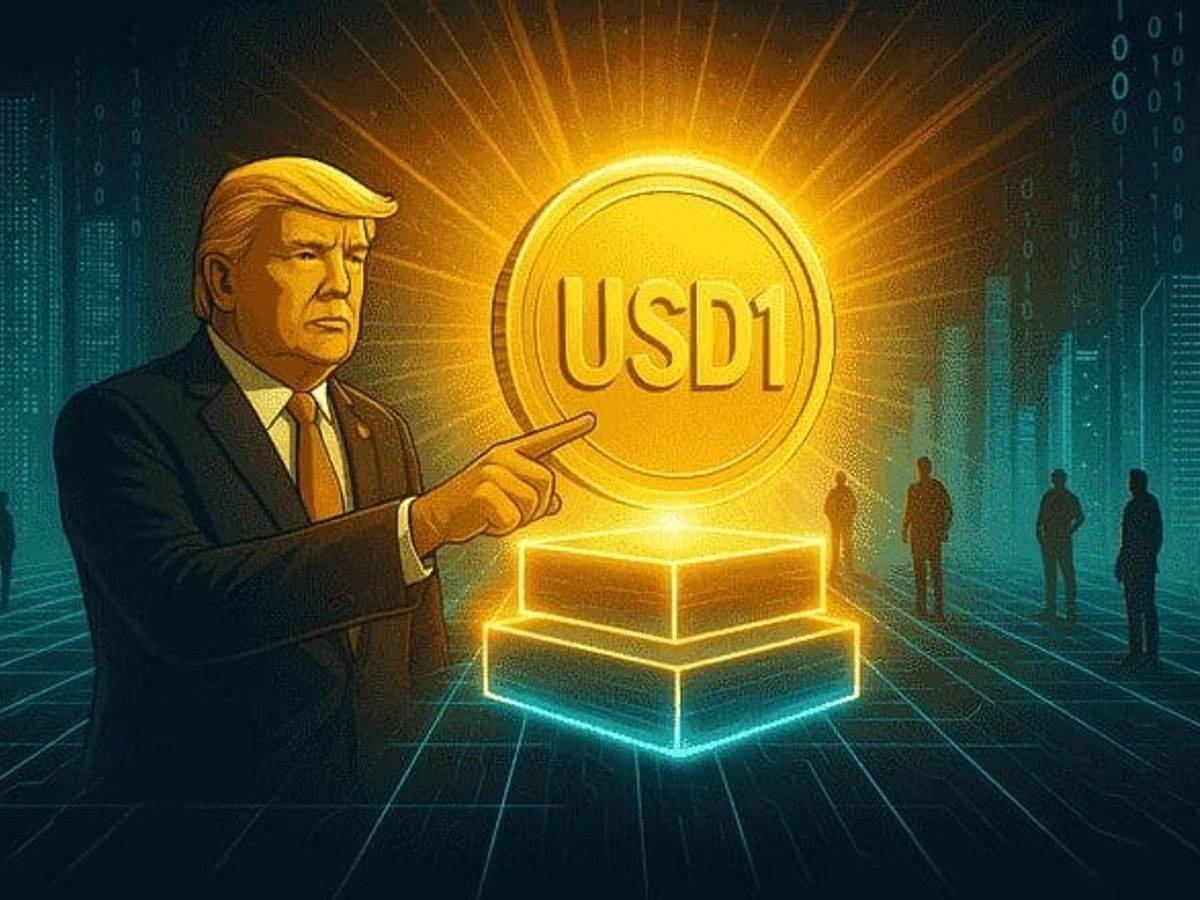
USD1 was presented as an institution-oriented compliant stablecoin. Learn how issuer, reserves, redemptions and controls should be verified.
This review replaces promotional language with a practical question: what can a user, buyer or partner verify today?
Key takeaways
- A compliance label does not identify the regulator, licence or legal claim held by a token owner.
- Institutional custody and reserves need named entities and dated independent evidence.
How it works
A fiat-backed stablecoin issuer receives eligible funds, holds permitted reserves and mints tokens. Compliance systems screen customers and transfers, while authorized users redeem through banking rails.
Where the risk sits
Issuer, bank and custodian failures can disrupt redemption. Freeze powers create control and censorship risk. Secondary users may not be eligible for direct redemption, and similarly named USD1 tokens create identity risk.
What to verify
Identify the exact legal issuer and canonical contracts, licences and jurisdictions, reserve assets and custody, assurance reports, mint and redeem eligibility, fees, freeze and upgrade powers, transaction monitoring and market depth.
A practical decision process
Start with current primary documentation. Match every material claim to a legal entity, deployed contract, repository, explorer record or observable product. Check administrator powers, dependencies, fees and the complete route for withdrawing assets or revoking access.
Test with a small amount and record addresses, approvals and normal exit results. Define stop conditions before increasing exposure: unexplained upgrades, delayed redemption, inactive development, lost liquidity, unverifiable data or a change in the entity responsible for users.
Crynet helps technical teams turn evidence into clear market communication through Web3 strategy and execution.
This article is educational and is not financial, legal or investment advice.