Blockchain News

Anoma: The Intent-Centric OS Unifying a Fragmented Web3

Beyond Transactions: The Age of Intents


What if you could tell a blockchain what you want, not how to do it?


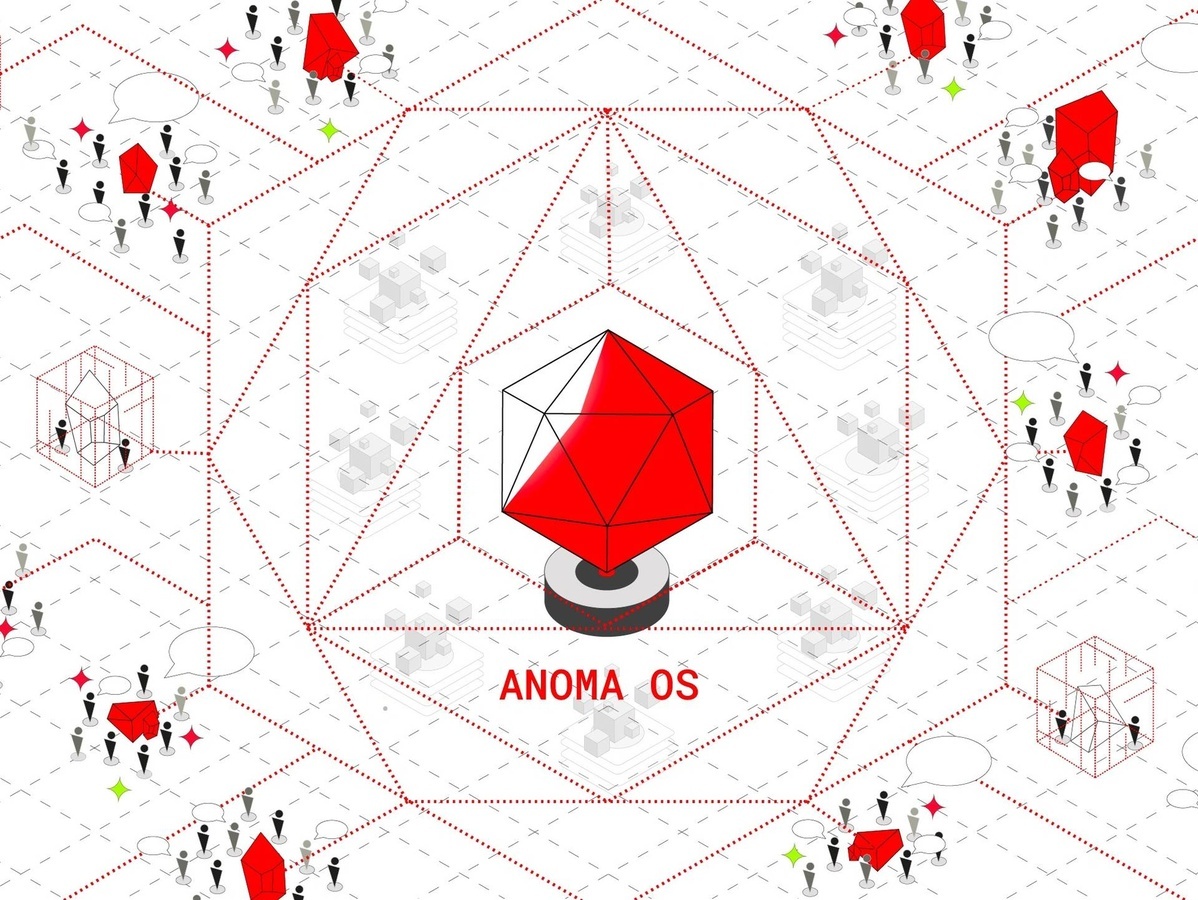
That’s the core promise of Anoma. We see it not as another Layer 1 competitor, but as a fundamental paradigm shift—a decentralized, intent-centric operating system designed to unify our fragmented blockchain ecosystems. It abstracts the technical chaos of multi-chain interactions, aiming to deliver the cohesive, user-friendly experience Web3 desperately lacks.


From Fragmentation to a Unified Abstraction Layer


The current multi-chain reality is a developer and user experience nightmare. Building applications that span Ethereum, Solana, or Bitcoin requires navigating incompatible environments. Anoma positions itself as the higher-level abstraction, a "decentralized world computer" that integrates these disparate networks into a single, interoperable system.


Think of it as the Windows for Web3. Just as Windows provided a unified layer between users and diverse hardware, Anoma aims to be the cohesive OS layer between users and all connected blockchains.


The Intent-Centric Paradigm: Declare Your Outcome


Traditional blockchains are transaction-centric. You must specify every computational step: "call this contract with these parameters." It’s manual, complex, and chain-specific.


Anoma flips this model. Users express an intent—a declaration of a desired outcome. For example: "Swap 1 ETH for USDC with at least $3,000, within 10 minutes." You state the what, and the network figures out the how. This shift from explicit commands to declared goals is profound for usability and opens doors to complex, cross-chain operations expressed as a single intent.


Architecture of a Decentralized OS


The protocol's core is the Anoma Intent Machine (IM), a distributed operating system with three conceptual layers:


  • The Desktop (Application Layer): Where users interact with intent-based apps.
  • The Intentnet (P2P Layer): A gossip network for intent discovery and matchmaking.
  • The Motherboard (Hardware Abstraction): This critical layer abstracts all connected blockchains (Ethereum, Solana, Bitcoin) and services (like Filecoin for storage) into a consistent set of resources.

This architecture allows a single application deployment to access state and users across any connected network.


Solvers, Privacy, and the Resource Model


A decentralized network of off-chain "solvers" competes to find optimal paths to fulfill user intents. They handle the complex optimization work before bundling transactions for settlement on underlying chains.


For privacy, Anoma introduces programmable data sovereignty. Using zero-knowledge proofs (like Halo2), users can define granular data disclosure rules. This enables confidential transactions where only necessary information is revealed.


Developers build using Juvix, a functional language for intent-centric apps, interacting with Anoma’s novel Resource Model—a departure from Ethereum’s account-based system.


Tokenomics and Governance: The XAN Ecosystem


Coordination is powered by the native XAN token (initially an ERC-20).


  • Utility: Pays for network fees and powers governance.
  • Supply: Fixed at 10 billion tokens.
  • Distribution: Allocated across Investors (31%), Community & Liquidity (25%), R&D/Ecosystem (19%), Core Contributors (15%), and the Foundation (10%). Major allocations have lock-up and vesting schedules.

Governance uses a bicameral system for checks and balances: a token-holder Voter Body and an early-contributor Governance Council. This structure aims to prevent unilateral control over protocol upgrades.


Building the Ecosystem: From Payments to AI


The ecosystem is taking shape through key initiatives:


  • AnomaPay: A flagship application—a global stablecoin router with opt-in confidentiality. It abstracts cross-chain swaps, allowing users to send payments in their preferred stablecoin automatically converted for the recipient.
  • Builders Program: The first cohort included projects exploring private DEXs (Mycel), decentralized AI agent layers (HeyElsa), and unified liquidity layers (Spicenet).
  • Anoma Portal: The evolving user gateway, starting with token management and governance, with ambitions to become a Web3 super app.

A Funded Vision with Phased Rollout


Backed by over $60 million from investors like Polychain Capital and Coinbase Ventures, Anoma has executed a phased rollout:


  1. Private Devnet ("HelloWorld") – Jan 2025.
  2. Public Testnet with an educational 3D interface – July 2025.
  3. Mainnet launch on Ethereum – September 2025, with plans to expand to L2s (Base, Arbitrum) and other L1s like Bitcoin and Solana.

This strategy minimizes platform lock-in from day one.


Conclusion: The Road Ahead for Intent-Centric Design


Anoma’s ambition is monumental: to redefine human-blockchain interaction from the ground up. By making intents the primary primitive, it tackles fragmentation, complexity, and privacy head-on.


The technical vision is compelling. Yet, its success hinges on developer adoption for its novel Juvix language and the network effect of its solver ecosystem. Can this "higher level of abstraction" become the unifying layer that finally makes cross-chain applications seamless?


We believe it represents one of the most architecturally significant experiments in Web3 today. The question is no longer about executing transactions but about declaring outcomes. Are we ready for that shift?


Disclaimer: This article is for informational purposes only. It does not constitute financial advice or an endorsement of any project or asset mentioned. Always conduct your own research before making any investment decisions in the cryptocurrency space