Web3 Product Marketing
Translate what the product can do now into a reason the right user can understand and act on.
Overview
Product marketing sits between product truth and market choice. Its job is not to make every feature sound important; it identifies which user, situation and obstacle make a capability valuable.
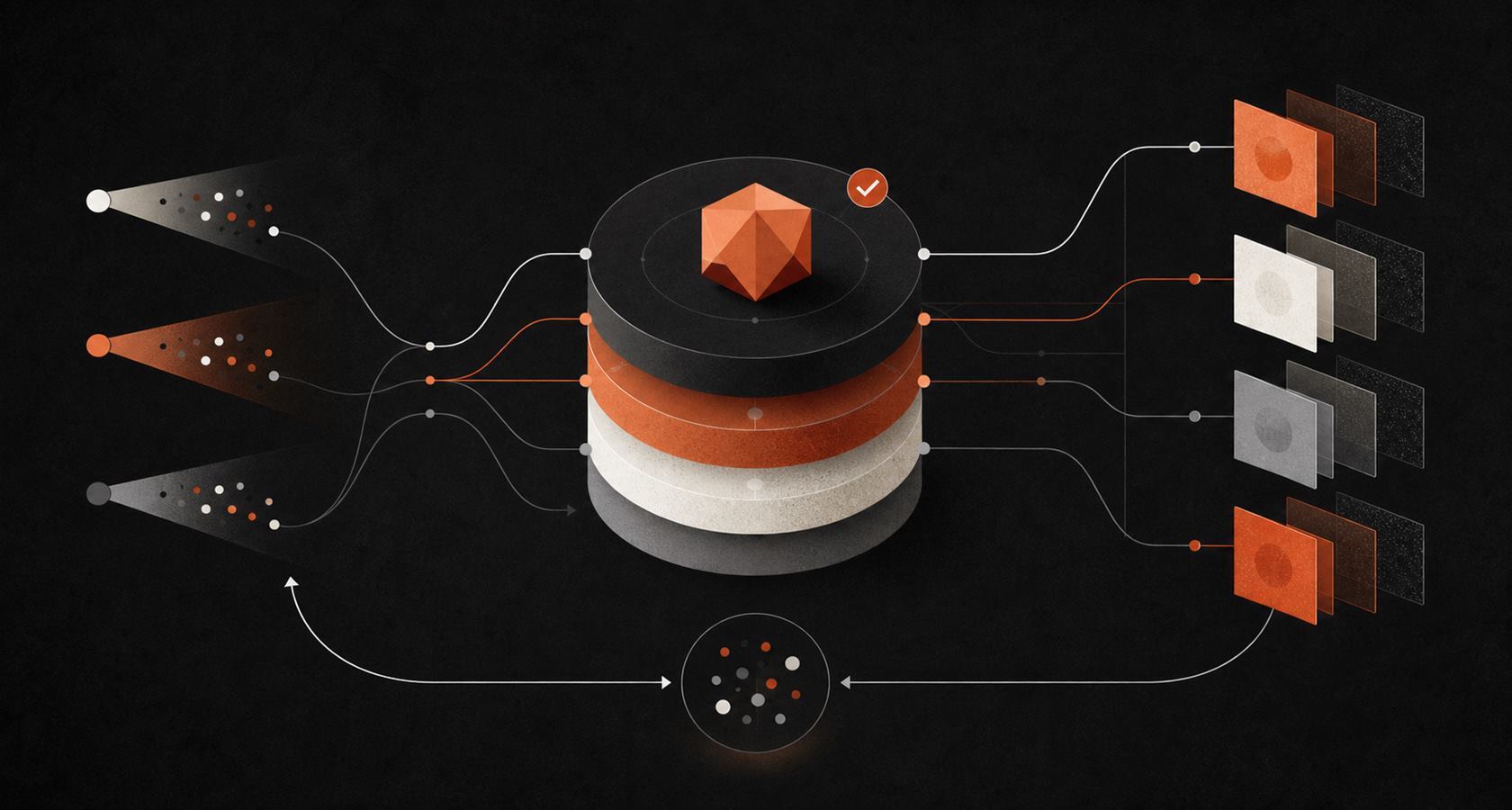
Crynet builds a capability-to-adoption chain: current capability, priority user, triggering situation, use case, evidence, message, activation path and feedback. A break anywhere in that chain can make a real product look irrelevant or make marketing promise more than the product delivers.
The work supports launches, ongoing adoption and sales or partner enablement. Roadmap items remain clearly separated from available capability.
Company-level differentiation can be defined through brand positioning and messaging. A complete public experience can be produced through website strategy and production.
When This Channel Makes Sense
This engagement is useful when the team has a defined decision to make and the following conditions are present.
- Features lack a use case: releases describe implementation but not who should care.
- Launch teams disagree: product, sales, community and marketing use different claims or readiness assumptions.
- Adoption stalls after interest: users understand the promise but not the next product step.
- Sales rebuilds the story: buyer objections and successful explanations are not returned to product or marketing.
- Roadmap becomes marketing: future capability is presented without status or dependency.
- Several audiences compete: one product page tries to serve buyers, developers, users and partners equally.
This service cannot compensate for unavailable capability or absent market demand. Product management and engineering ownership remain with the client.
What We Do
User and situation: define who faces the problem and what triggers evaluation.
Capability mapping: connect current product behavior to usable outcomes and evidence.
Use-case priority: select the cases the team can support and the market can understand.
Message and enablement: create product narratives, comparisons, demos, pages and sales or partner tools.
Launch readiness: align availability, audience, message, channels, support and measurement.
Feedback loop: return objections, activation gaps and adoption evidence to product and go-to-market teams.
What You Get
Depending on stage, the product-marketing package may include:
Core working files.
Priority-user and triggering-situation brief.
Capability, use-case and evidence map.
Product positioning and message hierarchy.
Execution and governance.
Launch-readiness matrix.
Product pages, comparisons, demo narratives or one-pagers.
Sales, partner or customer-education materials.
Measurement and handoff.
Objection and claim register.
Adoption measurement and feedback plan.
Each asset is tied to a specific decision or adoption step rather than produced as general collateral.
How the Campaign Works
- Confirm current capability. Separate what is available, conditional, beta or planned.
- Study users and alternatives. Identify triggering situations, objections and current workarounds.
- Choose priority use cases. Evaluate relevance, evidence, readiness and commercial importance.
- Build messages and materials. Create the explanations and enablement required for the decision path.
- Prepare the launch or adoption motion. Align channels, support, measurement and responsibilities.
- Capture feedback. Return objections, activation behavior and market evidence to the responsible teams.
Why Crynet
Crynet combines Web3 market context with the discipline to distinguish current product, roadmap and promotional ambition. This protects trust during launches and ongoing adoption.
We do not treat product marketing as a launch announcement. The work connects the initial promise to the material, support and product step a user needs afterwards.
Because Crynet also works across content, creative, analytics and websites, approved product truth can travel through execution without being reinvented by every supplier.
Campaign Parameters
How the work is verified. Claims are traced to current capability and evidence. Materials are checked against the user question and intended next step, while launch readiness records unresolved dependencies.
Evaluation separates:
Readiness: capability, support, claims and materials approved.
Comprehension: intended readers understand the use case and next step.
Activation: users reach and complete the defined product action.
Feedback: objections and behavior produce a documented product or marketing decision.
Launch attention does not prove adoption. Public product or commercial results require verified data and permission.
Useful first brief. Send the current URL or materials, target audience and markets, deadline, available evidence and the decision the work must support. Crynet will identify the smallest sensible first scope and the inputs still missing. Send the brief.
Frequently Asked Questions
What is product marketing?
It connects product capability to the users, use cases, evidence, messages and materials required for market adoption.
How is it different from brand positioning?
Brand positioning defines the company or product’s market choice. Product marketing applies current capability to specific users, launches and adoption paths.
Is product marketing the same as GTM?
No. GTM defines the broader route to market. Product marketing supplies the product-level insight, message and enablement within that route.
Can you support a feature launch?
Yes, when availability, audience, evidence, channels, support and measurement can be aligned.
Do you create sales materials?
Yes, when they support a defined buyer decision and use approved product claims.
How do you handle roadmap features?
They are labeled by status and dependency and are not presented as generally available.
What if we serve several audiences?
We identify shared product truth, then create separate use-case and evidence paths where decisions differ.
How is adoption measured?
Using defined product actions and qualified states, not launch reach alone.
What should we send for an assessment?
Send the product, current capability, priority users, launch plans, recurring objections, available evidence and the adoption action that matters.