Web3 Email Marketing
Send the message that helps each user take the next step—not the same broadcast to every address.
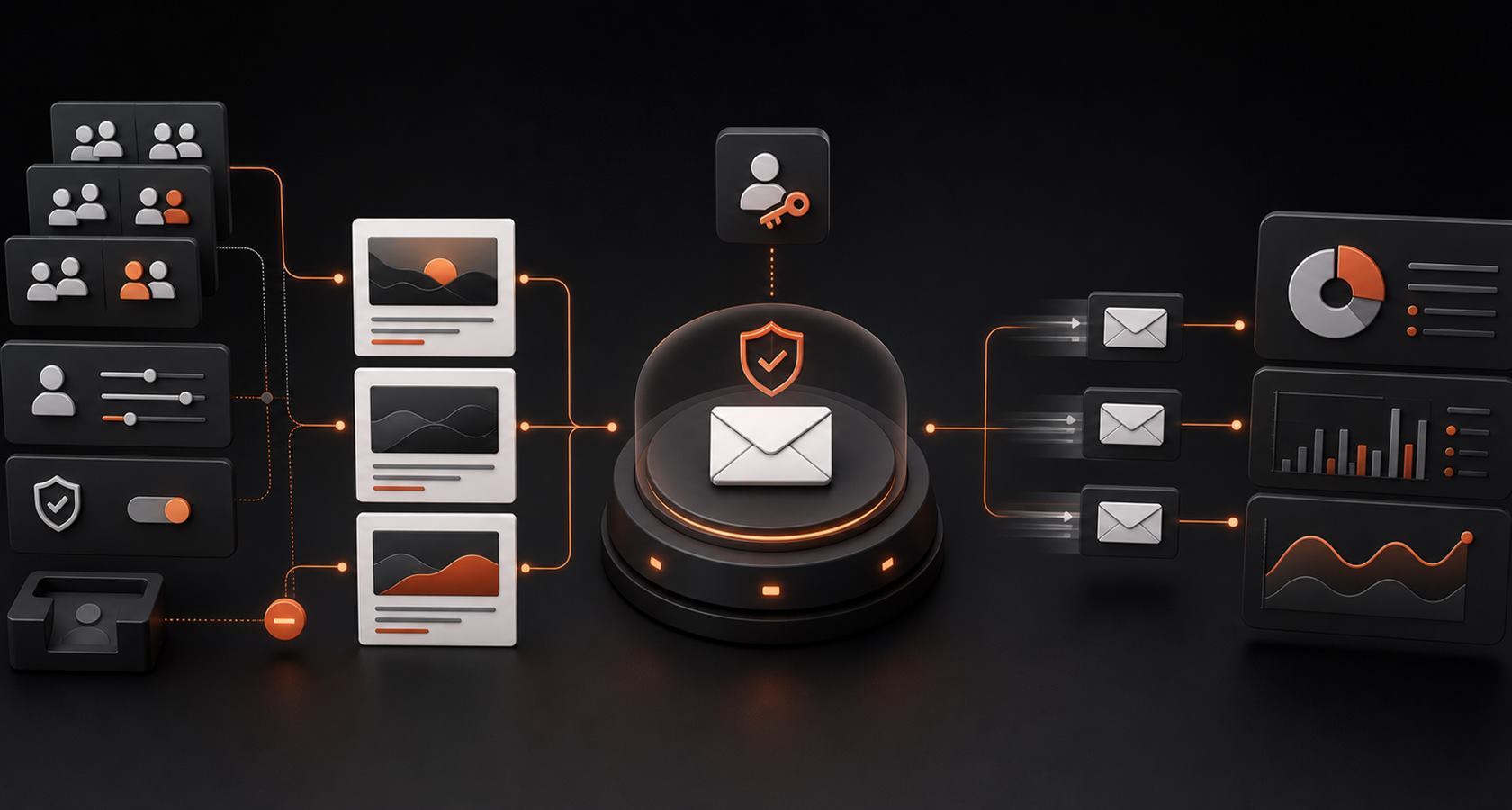
Overview
Email is valuable because it can continue a relationship after a person chooses to hear from the company. It becomes harmful when consent is unclear, sender setup is weak or every subscriber receives the same promotion regardless of what they need.
Crynet designs email around user state. A new subscriber, an incomplete registrant, an active user, a developer evaluating an integration and a dormant customer should not enter one undifferentiated list. We map the state, the question, the permitted message, the desired next action and the event that confirms progress.
The service combines content, segmentation, sender configuration, automation logic and reporting. It excludes scraped lists and disguised cold outreach. Consent, suppression and unsubscribe behavior are part of the operating system, not a final compliance paragraph.
Acquisition paths can be created through Web3 landing pages and conversion optimization. Cross-channel event definitions and reporting can be coordinated through marketing analytics and attribution.
When This Channel Makes Sense
This engagement is useful when the team has a defined decision to make and the following conditions are present.
- One list serves everyone: users receive messages unrelated to their stage, product or permission.
- Onboarding stops at registration: the company cannot identify where people become confused or inactive.
- Newsletters lack a role: they repeat social posts instead of helping subscribers understand decisions, releases or opportunities.
- Sending is fragile: authentication, list sources, suppression or ownership are undocumented.
- Results stop at opens: reports do not connect messages to approved product or commercial actions.
- Several teams send independently: product, sales and marketing create conflicting frequency and message rules.
This service is not suitable for purchased databases, scraped wallets or email addresses, hidden consent, or guaranteed inbox placement. Legal requirements vary; the client retains responsibility for approved policy and qualified legal advice.
What We Do
Permission map: document how contacts enter the system, what they agreed to receive and how preferences or suppression are handled.
Lifecycle model: define meaningful states such as subscriber, evaluator, incomplete onboarding, active user and dormant user.
Message architecture: assign newsletters, service messages, onboarding and re-engagement to a clear purpose and owner.
Sender readiness: review approved domains, authentication, reputation practices, volume changes and platform configuration.
Content and automation: write messages, specify triggers, delays, exits, fallbacks and handoffs.
Measurement: connect delivery and clicks to agreed next actions while documenting privacy and tracking limits.
What You Get
Depending on scope, the engagement can produce:
Core working files.
Consent, source and suppression register.
Audience-state and lifecycle map.
Newsletter or automation strategy.
Execution and governance.
Sender-authentication and deliverability checklist.
Message matrix showing audience, trigger, purpose, CTA and exit condition.
Approved copy and reusable email components.
Measurement and handoff.
Automation flow specifications or implementation in the approved platform.
Test plan, measurement dictionary and operating report.
Each automation includes a stop condition. A user who completes the intended action should not continue receiving reminders written for an earlier state.
How the Campaign Works
- Confirm permission and purpose. Review list sources, message categories, policies and the business actions email should support.
- Map user states. Define the observable differences between subscribers, evaluators, active users and other relevant groups.
- Design the message system. Specify newsletters, triggers, timing, exits, content and handoffs.
- Prepare sending. Review authentication, platform configuration, suppression, volume and tracking requirements.
- Create and test. Write messages and test links, rendering, events, fallbacks, preferences and unsubscribe behavior.
- Launch and learn. Monitor delivery and user progression, then adjust content and rules without treating opens as revenue.
Why Crynet
Crynet treats email as a product and relationship channel, not a database to exploit. In Web3, the distinction matters because users may interact through several identities, privacy expectations are high and product actions may occur outside a conventional checkout.
We begin with what can be observed and what the contact permitted. Wallet activity is not automatically treated as consent or identity. Product, marketing and service messages receive separate purposes and controls.
The final system remains understandable to the client team: why a message sends, who receives it, what stops it and how its value is judged.
Campaign Parameters
How the system is verified. Before launch, Crynet tests sender configuration, list rules, links, rendering, triggers, exits, suppression and measurement events. The client receives the flow logic and test results rather than only finished email designs.
Reporting separates:
Delivery health: accepted, bounced, complained, unsubscribed and suppressed contacts.
Content response: clicks and replies, with opens treated cautiously because privacy features can distort them.
State progression: the agreed action completed after the message, within the limits of tracking.
Risk signals: unexpected complaint, bounce, frequency or consent problems.
No responsible provider can guarantee inbox placement. Public performance claims require comparable data and client permission.
Useful first brief. Send the current URL or materials, target audience and markets, deadline, available evidence and the decision the work must support. Crynet will identify the smallest sensible first scope and the inputs still missing. Send the brief.
Frequently Asked Questions
Is this service for newsletters or automated emails?
It can cover either or both. Newsletters serve recurring editorial needs; automations respond to a defined user state or event.
Can a wallet address be used as email consent?
No. Public wallet activity does not provide an email address, identity or permission to send marketing messages.
Do you work with existing email platforms?
Yes, subject to the platform, access and technical fit. Crynet documents the logic so the system is not dependent on an unexplained tool setup.
What affects deliverability?
Authentication, reputation, consent, list quality, complaints, content, sending patterns and provider decisions all matter. No single setting guarantees inbox placement.
Are open rates reliable?
Not always. Privacy and image-loading behavior can inflate or hide opens, so clicks, replies and agreed product actions normally carry more weight.
Can you create onboarding sequences?
Yes. We map the steps a user must understand or complete, define triggers and exits, and write messages around the actual friction.
Do you provide cold email outreach?
Not under this service. Purchased or scraped contact outreach has different legal, source and reputation risks.
What does our team need to provide?
List-source information, approved policies, platform access, product events, subject experts and owners for compliance and technical decisions.
What should we send for an initial assessment?
Send the platform, list sources, sending domains, message types, current automations and the user action the business wants to improve.