Web3 Brand Identity & Design System
Turn strategy into a visual system teams can recognize, reproduce and govern across every product surface.
Overview
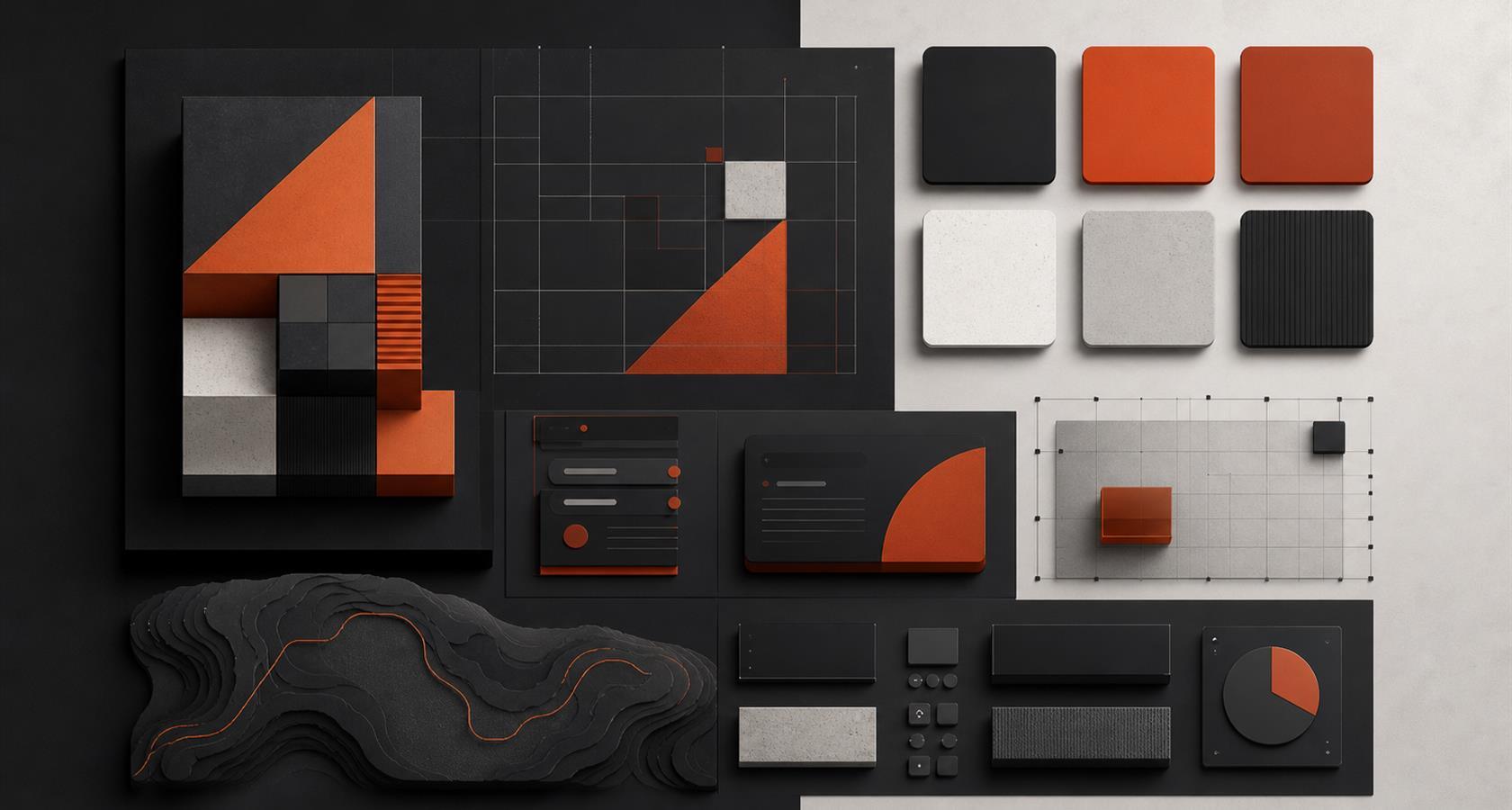
A brand identity is not a logo package. It is a set of visual decisions that helps people recognize the company, distinguish products and understand which source is official. In Web3, the system may need to work across a website, app, wallet interface, documentation, social channels, events and partner materials.
Crynet builds a recognition-to-production system. Each core element—logo, type, color, imagery, layout, motion and data visualization—receives a role, a usable component and a rule. The objective is not perfect visual sameness; it is controlled consistency across different formats and teams.
Identity follows positioning and product truth. It cannot repair an unclear category or unsupported promise through visual novelty. Naming, trademark clearance, custom product UI and extensive animation are separate unless included.
The strategic foundation can connect with brand positioning and messaging. Full public implementation can connect with website strategy and production.
When This Channel Makes Sense
This engagement is useful when the team has a defined decision to make and the following conditions are present.
- The brand is difficult to recognize: assets change by channel, supplier or team.
- The logo carries the whole identity: typography, imagery, layout and motion have no shared logic.
- Product and marketing feel unrelated: the website, interface, documentation and campaigns look like different companies.
- Production is slow: every asset is designed from zero and reviewed by personal preference.
- Several products need hierarchy: master brand, product and ecosystem relationships are visually unclear.
- A rebrand lacks adoption planning: teams have new files but no migration, ownership or usage rules.
This service is not a substitute for product positioning, legal trademark work or evidence supporting brand claims.
What We Do
Identity diagnosis: review current assets, touchpoints, recognition gaps and production constraints.
Visual principles: translate approved positioning into criteria for recognition, distinction and use.
Core identity: develop or refine logo behavior, type, color, imagery, layout and optional motion.
System components: create repeatable patterns for social, presentations, documents, campaigns and agreed interfaces.
Accessibility and production: define contrast, legibility, file formats and practical implementation rules.
Governance: assign owners, exceptions, source files and rollout decisions.
What You Get
The identity package may include:
Core working files.
Visual audit and recognition brief.
Approved identity principles.
Logo system and usage rules.
Execution and governance.
Typography, color and accessibility specifications.
Imagery, illustration, icon or data-visualization direction.
Layout and reusable component library.
Measurement and handoff.
Priority channel templates.
Source-file structure, asset library and governance guide.
Every component includes a practical use case. A design rule that teams cannot apply is not a functioning system.
How the Campaign Works
- Confirm the brand decision. Review positioning, audiences, product architecture and required touchpoints.
- Audit recognition and production. Identify inconsistent elements, missing components and operational constraints.
- Develop identity routes. Present distinct systems with a reason each supports the approved strategy.
- Build the chosen system. Define core elements, components and accessibility rules.
- Apply to real surfaces. Test priority pages, product moments, social assets and documents.
- Package and govern. Deliver source files, templates, ownership and rollout guidance.
Why Crynet
Crynet understands that Web3 identity must support both trust and complexity. A user may encounter the company through a token listing, wallet screen, documentation page, partner announcement or social account before visiting the main website.
We connect visual choices to positioning and production requirements, reducing the common gap between a presentation concept and daily use.
The client receives editable assets and decision rules, not dependence on one designer’s memory.
Campaign Parameters
How the system is verified. The identity is tested on the priority surfaces named in the brief. Review checks recognition, hierarchy, legibility, contrast, responsive behavior and the ability of another team member to use the supplied components.
Evidence is separated into:
System completeness: required elements and states exist.
Application consistency: real outputs follow the same decision rules.
Accessibility checks: agreed contrast and legibility requirements are tested.
Operational adoption: owners can locate, edit and approve the correct assets.
Visual preference testing does not prove market performance. Audience preference and commercial brand outcomes are never guaranteed.
Useful first brief. Send the current URL or materials, target audience and markets, deadline, available evidence and the decision the work must support. Crynet will identify the smallest sensible first scope and the inputs still missing. Send the brief.
Frequently Asked Questions
Is this service only for a new logo?
No. A logo can be included, but the service focuses on the complete system required across real touchpoints.
Do you need positioning before identity design?
Yes. The team needs an approved audience, category and credible difference before visual routes can be judged strategically.
Can you work with an existing logo?
Yes. Crynet can retain, refine or extend existing assets depending on recognition value and technical quality.
Does the system include product UI?
Selected interface components can be aligned, but full product UX and UI design require a separate scope.
Do you create social and presentation templates?
Yes, for the priority formats agreed in the brief.
How is accessibility handled?
Color contrast, typography, scale, legibility and component states are tested at the agreed level.
Who owns the source files?
Ownership and licensing are defined in the engagement. Final approved source files and asset structure are handed over as agreed.
Can you guarantee that audiences will prefer the new identity?
No. The system can be tested for recognition, comprehension and usability, but preference and commercial outcomes depend on wider factors.
What should we send for an assessment?
Send current assets, positioning, products, priority touchpoints, technical constraints and examples of inconsistency.